Key Takeaways
- Trained team members can respond quickly, assess the situation, and call for emergency services
- Call buttons, first aid supplies, and around-the-clock staffing help shorten response times
- Families can receive a phone call quickly and updates throughout a hospital stay
- A resident’s apartment can stay ready for their return, with extra support available if needed
- A tour is a good time to ask about staff training, overnight coverage, and backup power
What Emergency Response Looks Like in Senior Living
You’ve probably lain awake wondering what would happen if your loved one fell in the middle of the night and nobody heard. That worry follows you into the workday, and it doesn’t ease up when the phone stays quiet.
Safety and fall concerns are among the biggest reasons families consider senior living communities like Bentley Commons at Lynchburg.
In an assisted living community, a trained team member is awake and nearby at all hours, ready to respond quickly, contact emergency services, and keep you updated. That structure can turn a frightening unknown into a clear, practiced plan.
What Happens in the First Few Minutes
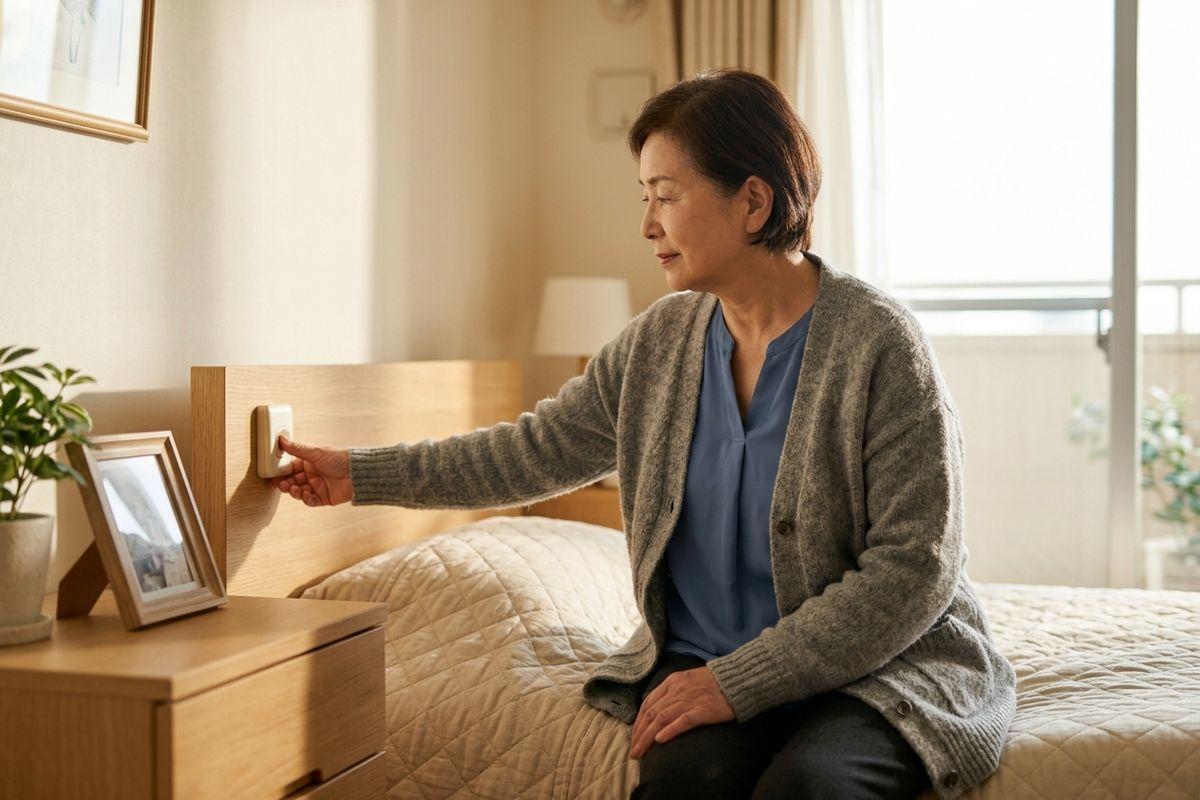
When your loved one presses a call button, or a team member notices something’s wrong, someone reaches the apartment quickly. They check what’s happening, ask a few simple questions, and decide whether to call emergency services.
That decision doesn’t wait on a supervisor or a phone tree.
While they place the call, a familiar face stays right there. Someone holds a hand, keeps a resident warm, and talks them through what’s coming next. A calm voice from a person they know can offer steady reassurance in a scary moment.
By the time paramedics arrive, the team has the details ready. They hand off medication lists, medical history, and the primary doctor’s name at the door so responders can act on real information instead of guesswork.
Tools and Systems That Speed Up Help
Small details make a real difference when minutes matter. Apartments and bathrooms are set up so help is always within reach, even from the floor. These simple home safety steps are also part of broader fall prevention for older adults:
- Emergency call buttons in living areas and bathrooms
- First aid supplies stocked and checked regularly
- Emergency response equipment kept on site and ready to use
- Team members on duty overnight, on weekends, and on holidays
None of this replaces a hospital. It simply closes the gap between when something happens and when trained help arrives. If you’ve noticed signs that independent living is no longer safe, that gap is often what’s on your mind.
Regular Drills and Refresher Training
Certifications don’t last forever, so CPR and first aid training must be renewed on schedule. Practice keeps the steps automatic, which matters when adrenaline is running high.
Fire drills and severe weather practice runs happen too. Everyone learns the routes, the meeting points, and how to assist residents who move more slowly. When a real storm rolls through Lynchburg, the routine is already familiar.
How Families Stay in the Loop
You shouldn’t have to hear about it secondhand. Emergency contacts get a phone call as soon as the immediate situation is handled, with plain details about what happened and where your loved one is headed.
If a hospital stay follows, updates keep coming. You’ll hear about progress, when your loved one may be able to return home, and what support might help once they’re back in the community.
The team also coordinates with doctors and outside care providers. That means fewer repeated phone calls for you and fewer gaps in what everyone knows, which can ease some of the stress that family caregivers carry.
What Happens After a Hospital Stay
The apartment stays as it was. Belongings, photos, and the favorite chair by the window stay right where they belong, and rent arrangements typically don’t change just because someone spent a few nights away.
Coming back should feel gentle. A team member helps with unpacking, checks in more often for the first stretch, and keeps an eye on how things are going. For anyone recovering from surgery or an illness, respite care offers short-term support with a clear endpoint.
Care Plan Adjustments
After a health event, needs sometimes shift. You can update a care plan to add medication reminders, help with walking or bathing, or more frequent wellness check-ins.
Ongoing health conditions also need steady attention, with support built around what your loved one actually needs day to day. The goal is always the same: help them do as much for themselves as they can comfortably.
Questions to Ask on a Senior Living Tour
A tour is your chance to get specific. Bring a list and don’t hold back.
- What training do team members complete, and how often do they renew it?
- Who’s awake and on duty overnight?
- How often do you practice fire and weather drills?
- Is there backup power if the electricity goes out?
- How quickly do they notify families, and who makes that call?
The answers tell you a lot. So does how comfortable the team seems talking about it. It also helps you choose the right level of care before you walk in the door.
Visit Bentley Commons at Lynchburg and See for Yourself
Preparation is what turns worry into reassurance. When systems, training, and staffing are already in place, your loved one can keep living independently, cooking, gardening, and joining friends for coffee, knowing support is there if needed.
Bentley Commons at Lynchburg invites you to stop by, walk the halls, and meet the people who’d be caring for your family member. Reach out today to schedule a tour and ask every question on your list.