
Key Takeaways
- ADLs are basic everyday self-care tasks like bathing, dressing, and eating
- IADLs cover more complex tasks such as cooking, bills, and transportation
- Changes in instrumental or multi-step tasks often appear before basic ones
- Look for patterns over several weeks, not one isolated moment
- Individual needs matter more than age when choosing a lifestyle option
- Senior living options range from independent living to memory care
A Simple Way to Measure Everyday Independence
You visit your parent and notice the mail stacked by the door, the growing laundry pile, and the fridge holds little more than condiments. Small things, maybe. But when these habits add up to a pattern, you’re left wondering whether your loved one could use a hand.
Activities of daily living (ADLs) are the basic self-care tasks a person handles each day, and tracking them gives you a clear, practical way to see how much support your loved one could use right now.
Our team at Bentley Commons at Lynchburg sees this question often, and it can help you choose the right level of care with less guesswork.
What ADLs Are and Why They Matter
ADLs are the essential tasks that make up every person’s daily life, including getting out of bed, showering, getting dressed, and eating breakfast. When those go smoothly, daily life feels steady and safe.
Care teams use ADLs to gauge daily independence and safety. Instead of guessing, you get a practical picture of where the day feels easy and where it feels heavy.
A change in ADLs isn’t a list of lost abilities. It’s a snapshot of the support that can help your loved one keep doing what matters to them.
The 6 Basic ADLs
The first 3 center on the routines that start almost every day at home, with tasks that preserve personal dignity and keep your body clean:
- Bathing and washing, including how often and how thoroughly.
- Personal hygiene and grooming, including hair, teeth, and shaving.
- Dressing, from buttons and zippers to shoes and socks.
Mobility and Personal Care Tasks
The remaining 3 focus on movement and coordination. Families often only notice these subtle shifts when a loved one begins avoiding tasks that require these skills:
- Transferring, such as moving from bed to chair or standing up safely.
- Eating without help once a meal is ready, including using utensils.
- Continence management and toileting, including using related supplies.
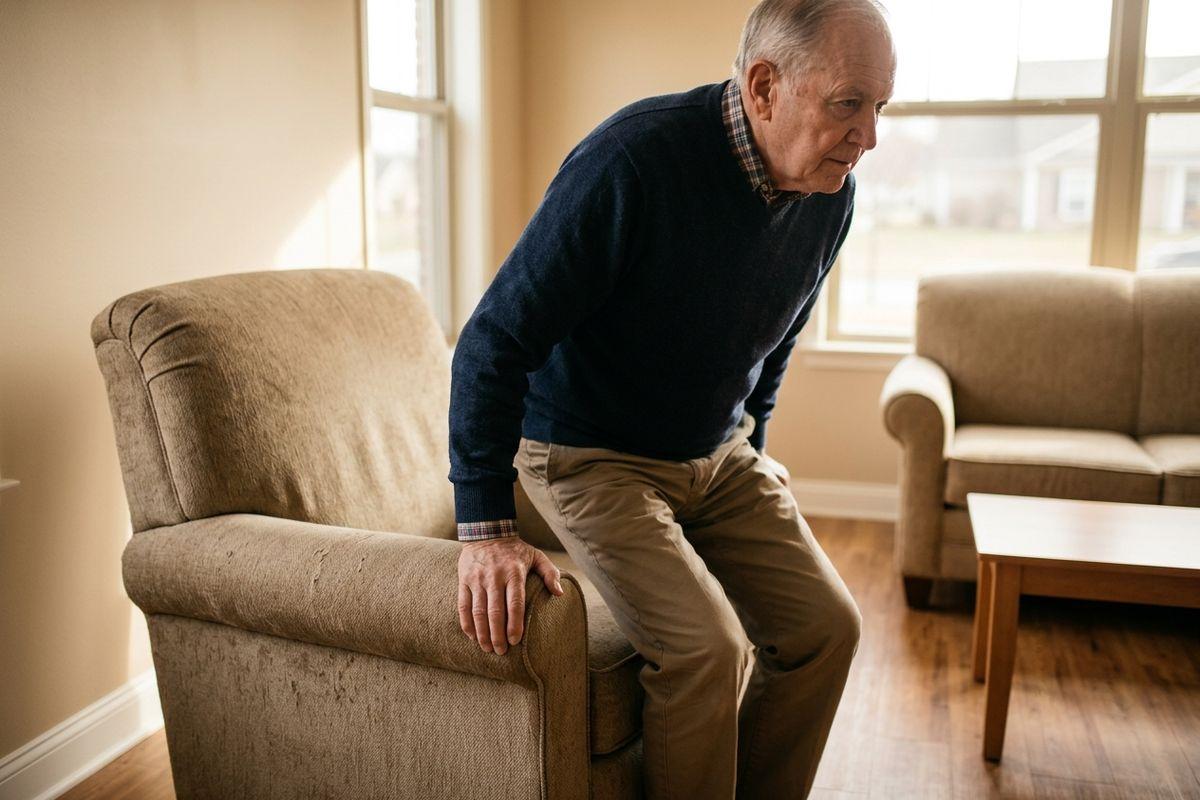
If a task like standing up from a favorite armchair now takes 3 tries and a grab of the side table, that’s a sign mobility needs are changing. Sometimes simple balance exercises can make those moments feel steadier, but it can still point to a pattern.
Instrumental ADLs and the More Complex Daily Tasks
Instrumental activities of daily living (IADLs) are the multi-step tasks that keep a household running. They take more planning, memory, and energy than basic self-care, such as:
- Grocery shopping, cooking meals, and errands
- Paying bills, handling finances, or using the phone
- Managing medications and keeping up with appointments
- Home maintenance, house cleaning, and laundry
- Driving or arranging transportation
Why IADL Changes Often Show Up First
Your loved one may still shower and dress with no trouble at all, yet the checkbook hasn’t been balanced since spring. That’s common.
IADLs ask more of a person, so shifts here tend to appear earlier, and knowing the difference between age-related forgetfulness and other memory changes helps you keep perspective.
Catching those changes early can give your family time to talk, plan, and choose without rushing.
Signs Your Loved One Could Use More Support
You know your loved one’s habits better than anyone. Trust what you notice during your next visit.
- The same outfit worn several days in a row, or skipped showers
- An empty fridge, expired food, or noticeable weight changes
- Pill bottles still full at the end of the month
- New bruises, a recent fall, or hesitation on the stairs
- Unopened mail and unpaid bills piling up
- Dishes in the sink when the kitchen was always spotless
One Incident Versus a Pattern
Everyone forgets a bill or skips a shower now and then. A single moment doesn’t mean much on its own.
What matters is repetition over weeks. If you spot the same signs on 3 visits in a row, that’s a pattern worth acting on. And age alone isn’t the measure. Someone at 92 may thrive on their own while someone at 74 could use daily help. Needs matter more than birthdays.
How ADLs Point Toward the Right Senior Living Option
Once you have a sense of which tasks feel heavy, the options start to sort themselves out.
Match Care Level to Daily Needs
Here’s how the everyday details tend to line up with each lifestyle:
- Independent living suits someone who handles personal care well but is tired of yard work, repairs, and eating alone. Meals, housekeeping, and a built-in social calendar come standard.
- Assisted living fits when one or more ADLs need a hand, such as bathing, dressing, or medication reminders. The rest of the day stays wonderfully self-directed.
- Respite care offers short-term stays and can support changing needs, including recovery after a hospital visit or surgery and allowing family caregivers to recharge.
How to Start the Conversation
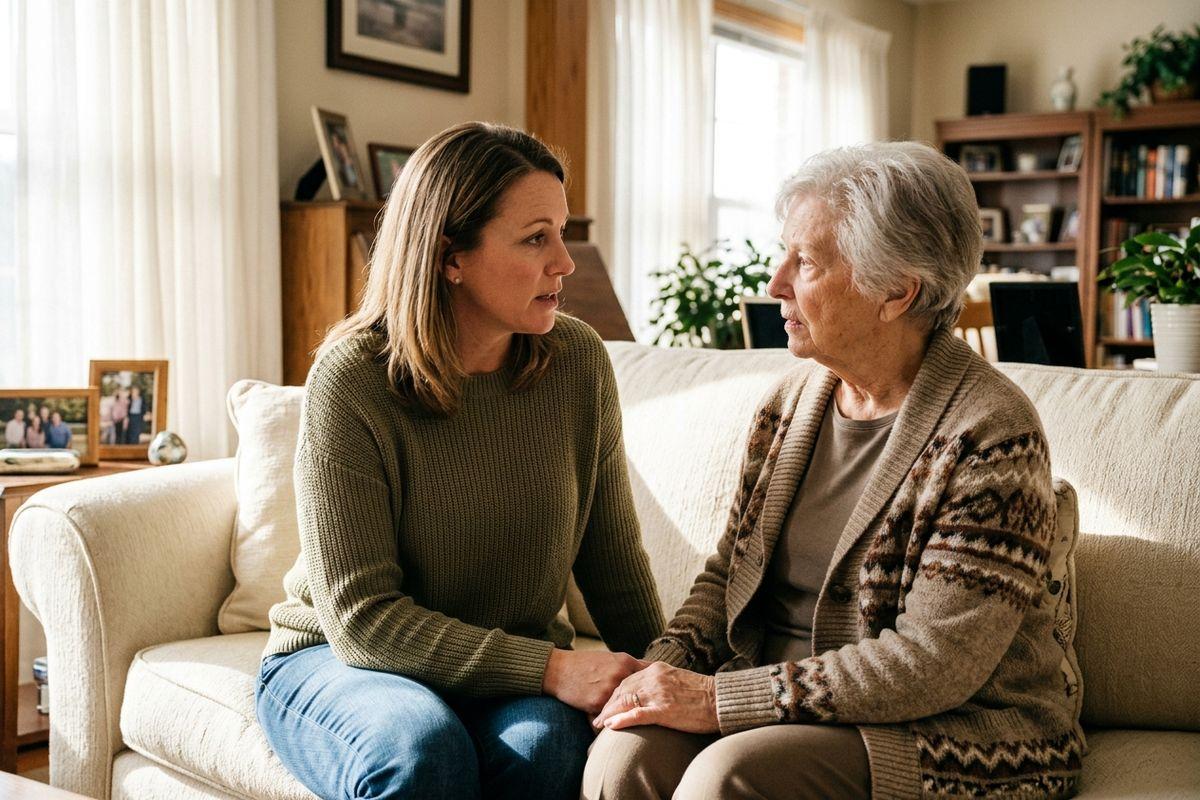
Lead with what you’ve seen, not what you’ve concluded. Saying “I noticed the mail has been piling up” lands more gently than “you can’t manage anymore.” A few thoughtful phrases can shape how you talk about senior living.
Then listen. Ask what they’d love to have more time for or what part of their week feels hardest. When the goal is more energy for grandkids, gardening, or card games, support starts to sound like freedom rather than loss.
Explore options together. Touring a community side by side turns a difficult topic into a shared decision.
Take the Next Step with Bentley Commons at Lynchburg
The right support protects independence and dignity. Help with a few morning tasks can free up hours for the things your loved one actually enjoys. Care plans can adjust as needs shift, so no one has to move the moment life changes again.
The Bentley Commons at Lynchburg community offers independent living, assisted living, and respite care in a warm community built around compassion, integrity, and respect.
Reach out to schedule a tour, bring your questions, and see how more support can transform your loved one’s days.